Bečov Castle
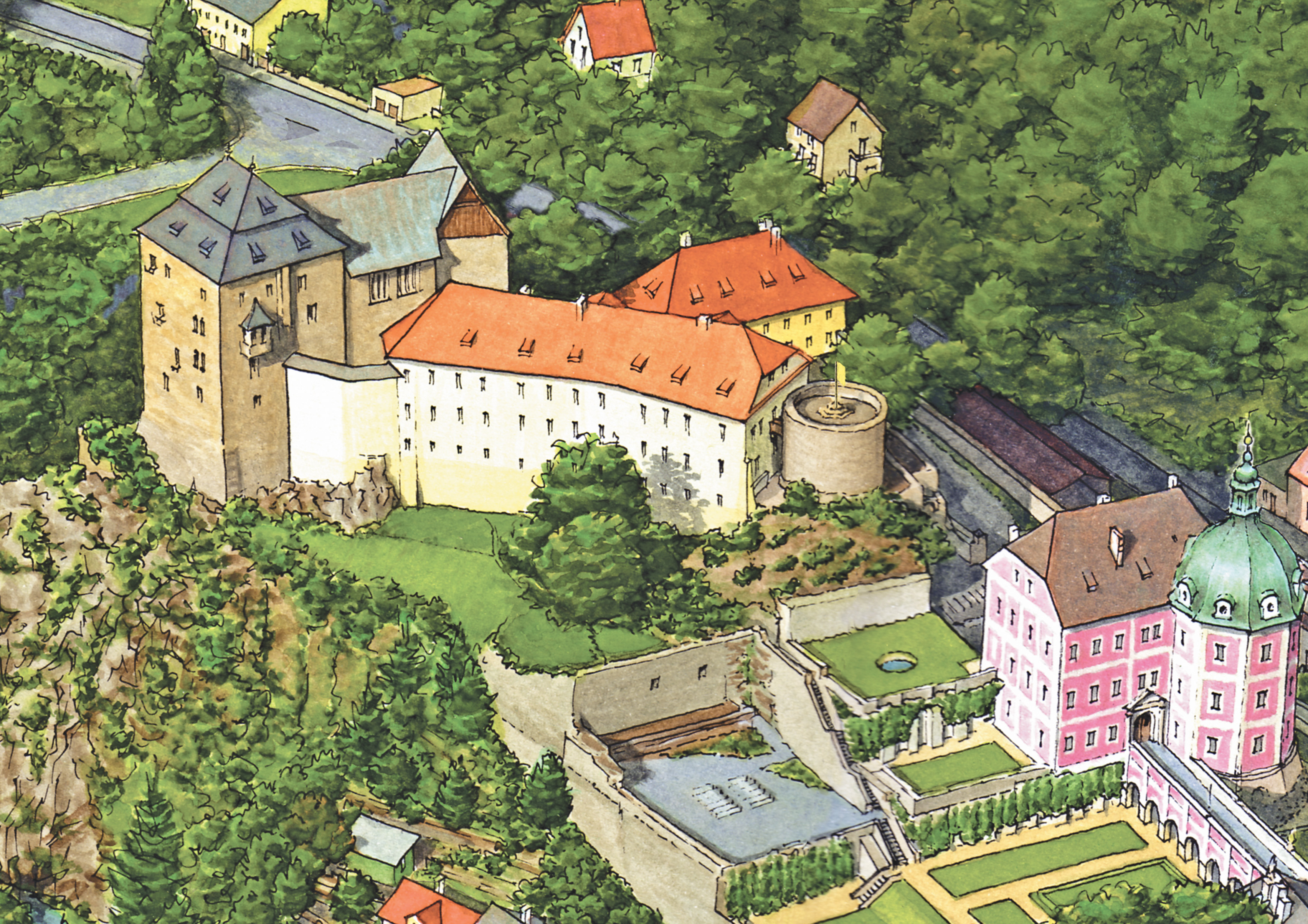
The medieval castle of Bečov was founded in the first half of the 14th century. The earliest reliable record dates back to 1349, when a charter issued by the Lords of Osek (later known as the Lords of Rýzmburk), the then-owners of the Bečov estate, confirmed the existence of the castle seat.
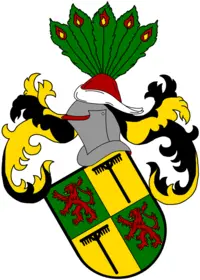
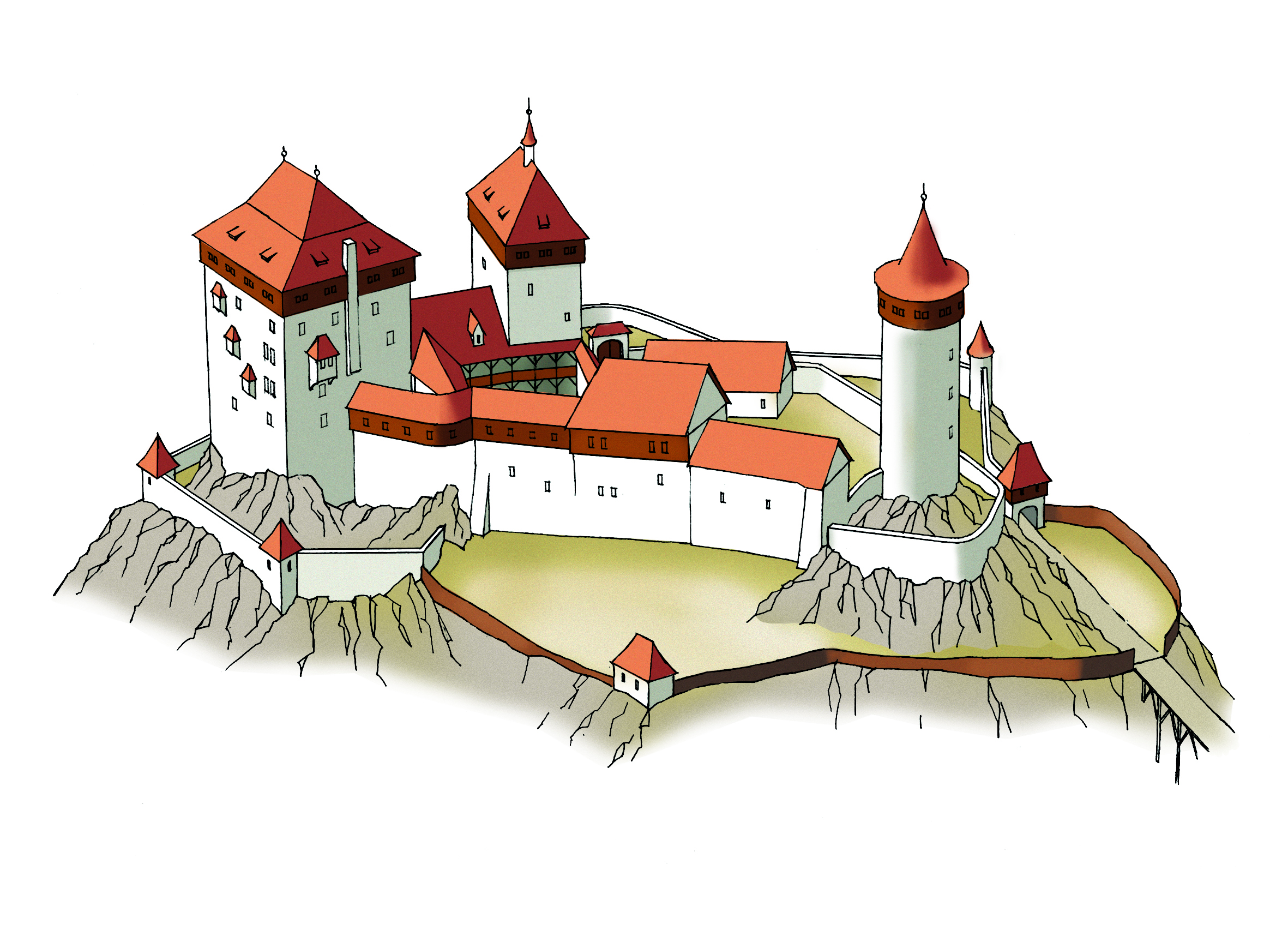
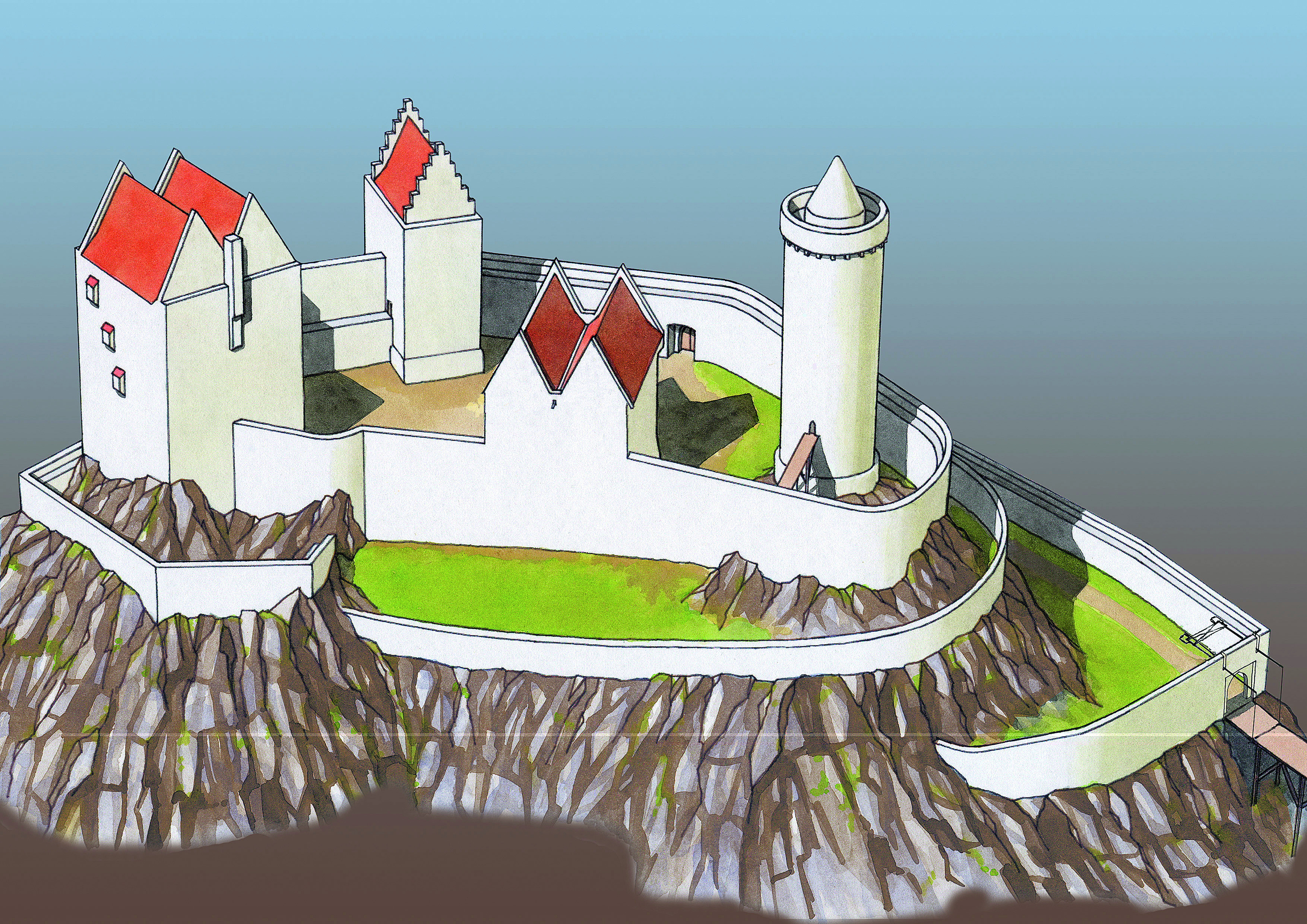
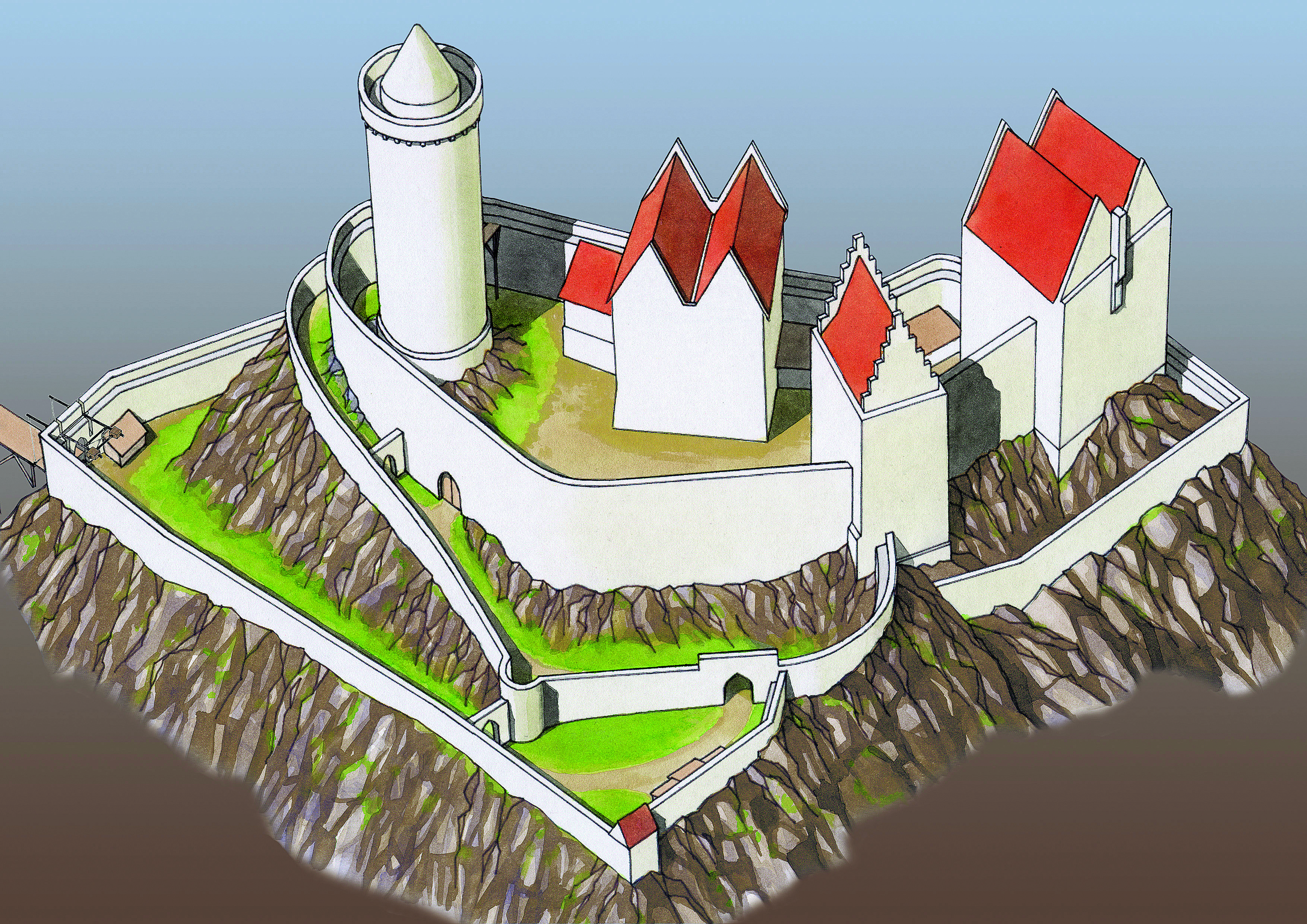
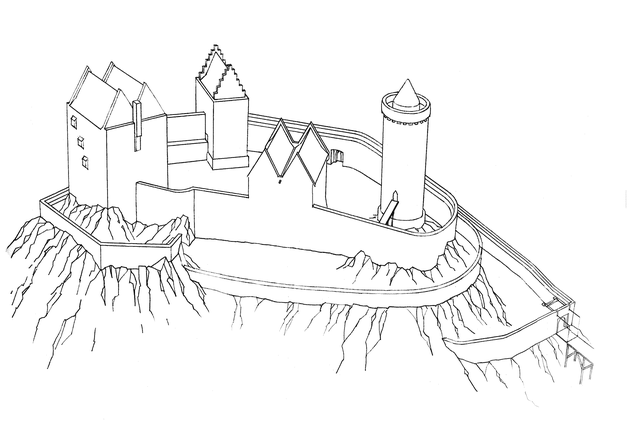
The castle underwent several phases of architectural development. During the first phase, a bergfried (defensive round tower) and a residential palace were erected on the site of what is now the Upper Chateau. Shortly after 1352, construction began on another tower initially intended for residential purposes. However, during its construction, the layout was altered, and the three-story space was transformed into the Chapel of the Visitation of the Virgin Mary. Owing to spatial constraints, the altar wall was oriented towards the north rather than the east. The chapel preserves a unique cycle of wall paintings executed using the al secco technique (painting on dry plaster), dating to around 1360. Shortly after 1356, a prominent residential tower, or donjon (one of the largest in Bohemia), was constructed adjacent to the chapel tower. The private chambers of the castle lord feature late-Gothic wall paintings. A curtain wall connected the residential and chapel towers.
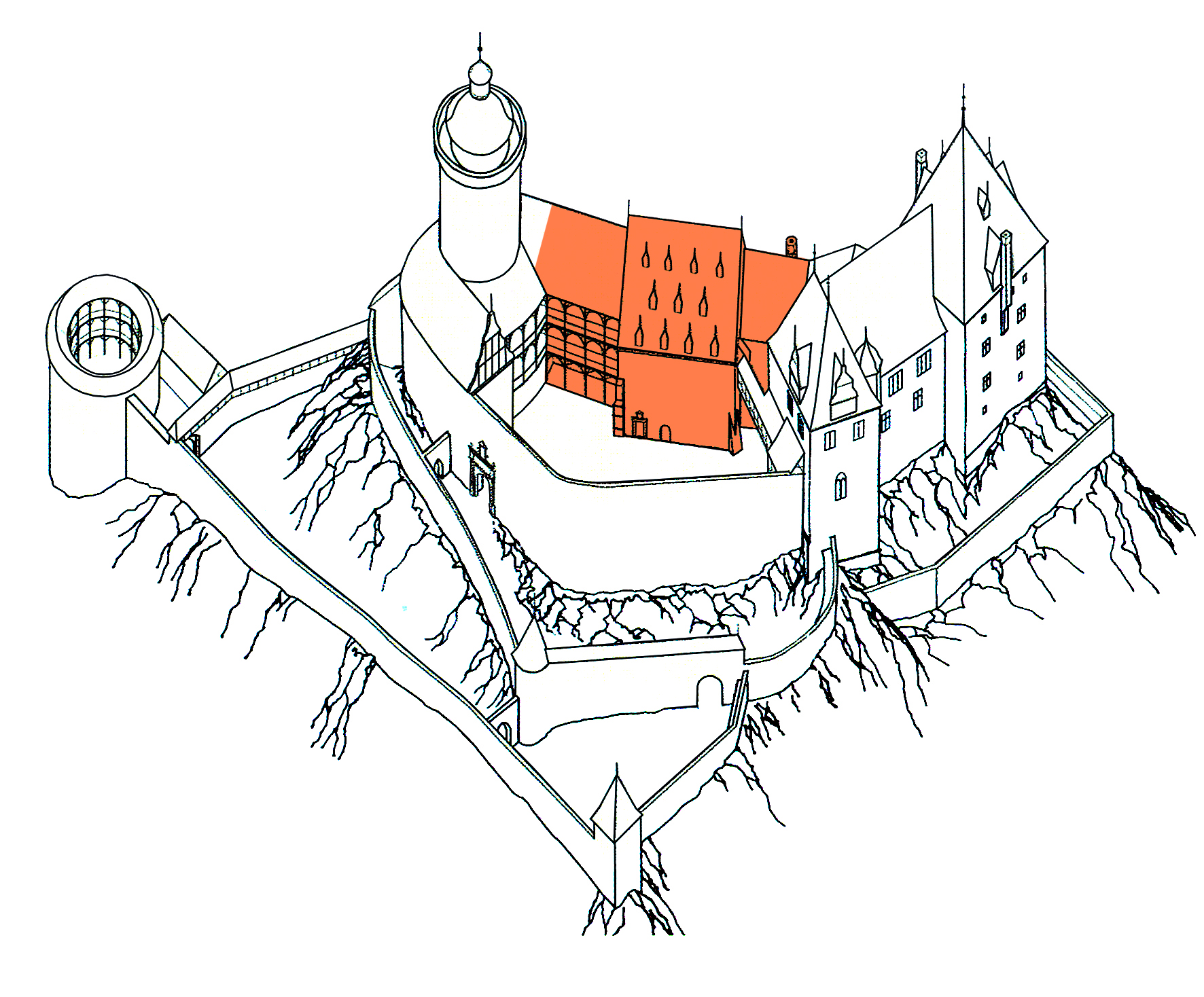
In 1495, the castle was acquired by the Pluh of Rabštejn family, who left an indelible architectural mark on the site, financed by their vast fortunes from tin mining in the Slavkov Forest. They modified the interiors of the donjon and rebuilt the oldest core behind the bergfried into a Renaissance style; these structures are still referred to today as the Pluh Houses (Pluhovské domy). They also linked the donjon and the chapel via a large dining and banquet hall (tabulnice), which served for grand receptions, feasts, and ceremonial gatherings.
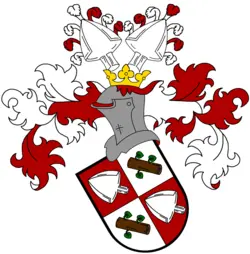
During the Thirty Years’ War, in 1624, the estate passed into the hands of the Questenberg family, who utilized the castle primarily for administrative and economic purposes. Under their ownership, the castle was garrisoned by imperial troops, who held it until 1648, when Swedish General Königsmarck captured the town and castle, taking the garrison prisoner. Following the lessons learned during the Thirty Years’ War, the Questenbergs bolstered the site's defenses by constructing an artillery bastion above the moat; in the 18th century, this bastion was structurally incorporated into the octagonal Baroque chateau tower. Following the death of Jan Adam Questenberg in 1752, the entire estate was inherited by his second wife’s nephew, Dominik Ondřej Kaunitz the Younger.
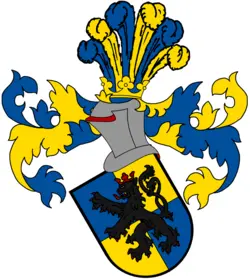
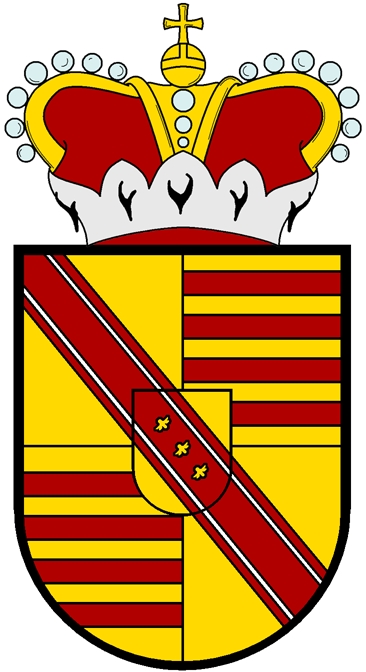
In 1813, the Bečov estate was purchased by Friedrich August Beaufort-Spontin, who sought his family’s future in Austria, then untouched by revolution, rather than in France or Belgium. It was his son, Alfred Beaufort-Spontin, who in 1838 acquired the Romanesque Reliquary of Saint Maurus from the church. Alfred Beaufort-Spontin also carried out extensive repairs to the chateau and envisioned an ambitious romantic restoration of the medieval castle. The original project to link the medieval fortress with the Baroque chateau was designed by the renowned architect Josef Zítek. Due to high financial demands, this scheme was only partially realized in the remodeling of the Chateau Chapel of St. Peter (now featured on the second guided tour). Thanks to Alfred’s grandson, Heinrich Georg, and particularly his wife, Marie Adelheid Sylva-Tarouca, an extensive landscape park was established in Bečov, widely celebrated at the time as the "Second Průhonice." Following World War II, the Beaufort-Spontin family was expropriated of their Bečov estate under the Beneš Decrees.
In the post-war period, the chateau served as a school. In 1969, the entire castle and chateau complex was acquired by the Regional Heritage Institute in Plzeň, initiating a gradual restoration process. These efforts culminated in 1996 with the public opening of the Baroque chateau, which initially hosted an exhibition of West Bohemian Gothic art and later a permanent display of restored historical interiors.
Today, the complex open to visitors includes the medieval Gothic castle, the Renaissance Pluh Houses housing the permanent exhibition of the Reliquary of Saint Maurus, and the Baroque chateau presenting authentic historical interiors.